
A Real, Practical Guide for Smarter Money Management in the USA
Saving money in today’s economy feels harder than ever. Rising rent, higher grocery bills, subscription overload, and unpredictable expenses quietly drain your paycheck every month. Many Americans know they should budget, but traditional spreadsheets and manual tracking often fail because they are time-consuming and easy to ignore.
This is where AI budgeting apps are changing everything.
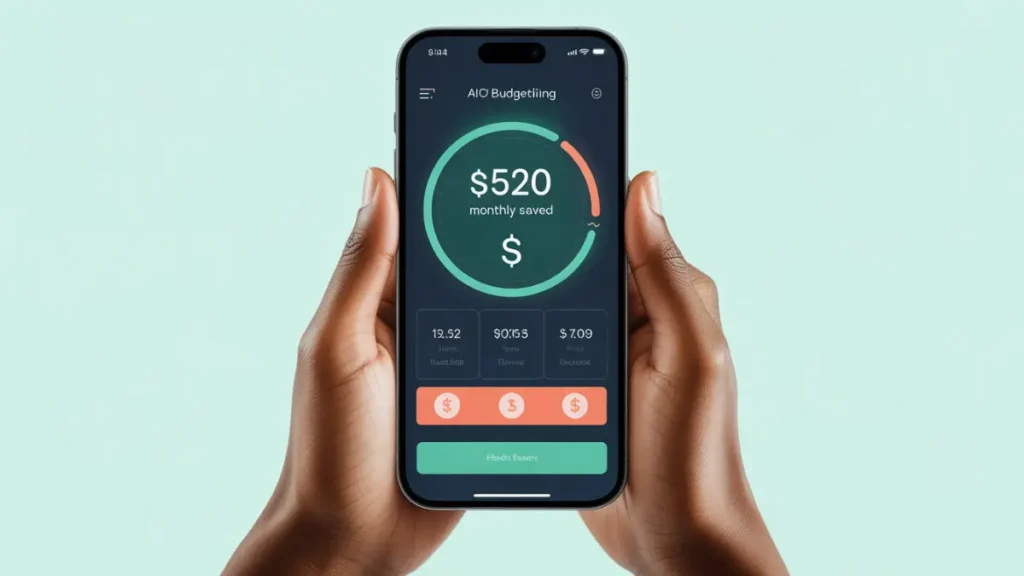
With smart automation, predictive analysis, and real-time spending insights, AI-powered budgeting apps are helping thousands of people in the United States save $500 or more every single month—without extreme lifestyle changes.
In this in-depth guide, you will learn exactly how AI budgeting apps work, how they help you save money consistently, and which apps perform best for real users in the USA. If you want practical, modern, and realistic money-saving strategies for 2026 and beyond, this guide is for you.
My Personal Experience Using AI Budgeting Apps
I started using AI budgeting apps when I realized my money was disappearing every month without a clear reason. Even though my income was stable, I was constantly short on cash before the next paycheck.
After connecting my bank accounts, the app immediately highlighted subscriptions I had forgotten about, dining expenses I underestimated, and small impulse purchases that added up fast. Within the first month, I saved over $300 without feeling restricted. By the third month, my savings crossed $500 consistently.
This experience completely changed how I manage money, and that’s why I believe AI budgeting apps are one of the most practical financial tools available today for Americans.
What Are AI Budgeting Apps?
AI budgeting apps are advanced personal finance tools that use artificial intelligence and machine learning to analyze your spending habits, income patterns, and financial behavior. Unlike traditional budgeting apps that require constant manual input, AI-driven tools learn from your data and automatically provide insights, recommendations, and alerts.
Instead of telling you what you should do, AI budgeting apps show you what you are actually doing with your money and where improvements can be made instantly.
Key Features of AI Budgeting Apps
- Automatic bank and credit card syncing
- Real-time expense categorization
- Spending pattern detection
- Smart alerts for overspending
- Subscription tracking and cancellation suggestions
- Personalized saving goals
- Predictive cash flow forecasting
These apps are especially popular in the USA because they integrate smoothly with major American banks and financial institutions.
How AI Budgeting Apps Help You Save $500+ Monthly
Saving $500 a month may sound unrealistic at first, but when you break it down, the math becomes very clear. AI budgeting apps do not rely on motivation alone. They rely on data-driven decisions.

Here is how these apps consistently help users save hundreds of dollars each month.
Saving money isn’t just about numbers—it’s about peace of mind. Knowing where your money goes removes stress, anxiety, and financial guilt.
1. Identifying Hidden Spending Leaks
Most people underestimate how much money disappears through small, recurring expenses. AI budgeting apps automatically detect:
- Unused subscriptions
- Duplicate services
- Frequent impulse spending categories
- Rising costs month over month
Many users save $100 to $200 monthly simply by canceling subscriptions they forgot about.
2. Smart Expense Categorization
AI systems categorize spending with far greater accuracy than manual budgeting. Instead of vague categories, AI apps show:
- Exact spending trends
- Category comparisons
- Behavioral patterns
This clarity alone changes spending behavior.
3. Real-Time Overspending Alerts
Unlike traditional budgets that tell you what went wrong after the month ends, AI budgeting apps send real-time alerts when you exceed your limits. This prevents small mistakes from turning into major financial setbacks.
4. Personalized Savings Recommendations
AI apps analyze your income and expenses to suggest realistic saving goals. Instead of generic advice, the recommendations are based on your actual data.
5. Bill Negotiation and Cancellation
Some AI budgeting apps actively help negotiate lower bills or automatically cancel services on your behalf. This can lead to immediate monthly savings without any effort.
Best AI Budgeting Apps in the USA (2026 Comparison)
Not all AI budgeting apps are created equal. Below is a comparison of some of the most trusted and widely used AI budgeting apps available to users in the United States.
| App Name | AI Features | Monthly Cost | Best For |
| Cleo | AI spending insights, smart chat | Free / Paid | Beginners |
| YNAB | AI goal tracking, habit building | Paid | Serious budgeters |
| Monarch Money | AI cash flow analysis | Paid | Families |
| Rocket Money | AI subscription & bill tracking | Free / Paid | Bill reduction |
| Copilot Money | AI-driven expense insights | Paid | iOS users |
Each of these apps connects securely with US banks and supports real-time tracking.
Real Monthly Budget Breakdown Using AI
Let’s look at a realistic example of how AI budgeting apps help save $500 or more each month.

Before Using an AI Budgeting App
- Subscriptions: $120
- Dining out: $350
- Impulse purchases: $220
- Utility overpayments: $90
Total unnecessary spending: $780
After Using an AI Budgeting App
- Canceled unused subscriptions: $70 saved
- Reduced dining out through alerts: $150 saved
- Controlled impulse spending: $180 saved
- Lowered utility bills: $120 saved
Total Monthly Savings: $520
This level of improvement is common because AI apps focus on awareness, automation, and behavior change rather than restriction.
AI Budgeting vs Traditional Budgeting
Traditional budgeting methods often fail because they depend heavily on discipline and manual tracking. AI budgeting apps reduce friction and human error.
Traditional Budgeting
- Manual data entry
- Delayed insights
- Time-consuming
- Easy to abandon
AI Budgeting
- Automatic tracking
- Real-time insights
- Predictive analytics
- Behavior-focused
For modern personal finance management in the USA, AI budgeting is no longer optional—it is becoming the standard.
Common Mistakes When Using AI Budgeting Apps
While AI budgeting apps are powerful, users sometimes make mistakes that limit results.
1. Ignoring App Notifications
Alerts only work if you act on them. Turning off notifications reduces effectiveness.
2. Not Reviewing Weekly Insights
AI tools improve with feedback. Weekly reviews help refine recommendations.
3. Linking Incomplete Accounts
Failing to link all financial accounts gives the AI an incomplete picture.
4. Expecting Instant Results
Savings improve progressively. Most users see full benefits after 30–60 days.
Who Should Use AI Budgeting Apps?
AI budgeting apps are suitable for a wide range of users in the United States.
They are ideal for:
- Young professionals
- Families managing shared expenses
- Freelancers and gig workers
- Students with limited income
- Anyone struggling to track spending
If you earn income, spend money, and want more control, AI budgeting apps can help.
Are AI Budgeting Apps Safe in the USA?
Security is a major concern for users, and reputable AI budgeting apps prioritize safety.
Most trusted apps use:
- Bank-level encryption
- Read-only access
- Secure API connections
- Compliance with US financial regulations
These apps cannot move money or make transactions. They only analyze data securely.
The Future of AI in Personal Finance (2026 and Beyond)
AI is rapidly transforming personal finance. In the coming years, AI budgeting apps are expected to offer:

- Predictive debt prevention
- AI-powered investment guidance
- Personalized financial coaching
- Automated savings optimization
For Americans, this means smarter financial decisions with less stress and less guesswork.
Final Verdict: Can AI Really Save You $500+ Monthly?
Yes. For many users, AI budgeting apps do exactly that.
They succeed not because they force discipline, but because they remove friction, provide clarity, and automate smart financial habits. When used consistently, these tools transform how you interact with money.
Saving $500 or more per month is not about earning more—it is about managing better. AI budgeting apps make that possible.
Frequently Asked Questions
Can AI budgeting apps really save $500 per month?
Yes. Many users save $300 to $700 monthly by identifying spending leaks, reducing subscriptions, and controlling impulse spending.
Are AI budgeting apps safe to use in the USA?
Reputable apps use bank-level security and read-only access, making them safe for most users.
Which AI budgeting app is best for beginners?
Cleo and Rocket Money are popular choices for beginners due to simplicity and automation.
Do AI budgeting apps work with US banks?
Yes. Most major AI budgeting apps integrate with American banks and credit unions.
Are free AI budgeting apps worth it?
Free versions offer value, but paid plans unlock deeper insights and automation.
Can AI budgeting apps replace financial advisors?
They cannot replace human advisors for complex planning, but they are excellent for daily money management.
Final Thoughts
AI budgeting apps represent a shift in how Americans manage money. Instead of guessing, stressing, or manually tracking expenses, you can now rely on intelligent systems that work quietly in the background.
If your goal is to save $500 or more each month without drastic lifestyle changes, AI budgeting apps are one of the most effective tools available today.
Disclaimer
This content is for educational purposes only and does not constitute financial advice. Always consider your personal financial situation before making money-related decisions.
This article is written by a personal finance writer who researches modern money management tools, AI-driven financial apps, and budgeting strategies for the U.S. audience. The goal is to provide practical, easy-to-understand financial guidance that helps everyday people save more and stress less about money.
1 thought on “Save $500+ Monthly Using AI Budgeting Apps”