
Getting your first credit card can feel intimidating especially when you have no credit history at all. Many beginners assume that no credit means automatic rejection, but that is not true. Every year, millions of people in the United States successfully get their first credit card with no credit and begin building a strong financial future.
This complete beginner-friendly guide will walk you through exactly how to get your first credit card with no credit, which options work best, common mistakes to avoid, and how to use your card the right way so you can build credit fast and safely.
In the U.S., many first-time credit card applicants are surprised to learn that having no credit does not automatically mean rejection.
What Does “No Credit” Really Mean?
Having no credit simply means that you do not yet have a credit file with the major credit bureaus—Experian, Equifax, and TransUnion. This usually applies to:first credit card with no credit
- Young adults or students
- Recent immigrants to the USA
- People who have never borrowed money
- Individuals who avoided credit in the past
Getting your first credit card with no credit can feel intimidating especially for beginners in the USA.
Can You Get a Credit Card with No Credit History?
Yes, you absolutely can.
Banks and credit card companies understand that everyone starts somewhere. That is why they offer starter credit cards specifically designed for people with no credit history.
These cards typically have:
- Lower credit limits
- Higher approval chances
- Simple features
- Credit reporting to all three bureaus
If you apply the right way, your chances of approval are much higher than most beginners expect.
Across the United States, beginners often delay building credit simply because they fear rejection—when beginner-friendly cards are widely available.
Best Types of Credit Cards for Beginners with No Credit
If you’re applying for your first credit card with no credit, choosing the right type of card is critical.
Secured Credit Cards
A secured credit card is one of the easiest ways to get approved with no credit.
How it works:
- You provide a refundable security deposit (usually $200–$500)
- Your deposit becomes your credit limit
- You use the card like a regular credit card
- Your activity is reported to credit bureaus
Why secured cards are beginner-friendly:
- Very high approval odds
- Helps build real credit
- Some cards convert to unsecured later
Secured cards are ideal if you want a safe, reliable starting point.
Student Credit Cards
If you are a college student, student credit cards are designed specifically for you.
Key benefits:
- No credit history required
- Lower income requirements
- Educational tools included
- Often no annual fee
Many student cards also offer small rewards and incentives for responsible use, making them a strong first option.first credit card with no credit
Starter Unsecured Credit Cards
Some banks offer unsecured credit cards for beginners with no credit. These cards do not require a deposit but may have stricter approval criteria.
What to expect:
- Lower starting credit limits
- Possible annual fees
- Higher interest rates
These cards work best if you have steady income and low existing debt.
Step-by-Step: How to Get Your First Credit Card with No Credit
Follow these steps carefully to maximize your approval chances.first credit card with no credit
Step 1: Check Your Credit Status
Even if you believe you have no credit, confirm it by checking your credit reports. You may already have a file from:
- A phone plan
- Student loans
- Utility accounts
Knowing your starting point helps you apply smarter.
Step 2: Choose the Right Card Type
Do not apply for premium or rewards-heavy cards. Focus on:
- Secured credit cards
- Student credit cards
- Beginner unsecured cards
Applying for cards outside your eligibility range often leads to rejection.
Step 3: Ensure You Meet Basic Requirements
Most credit card issuers require:
- Age 18 or older
- U.S. address
- Social Security Number or ITIN
- Verifiable income
Income does not need to be high, but it must be stable and honest.first credit card with no credit
Step 4: Apply for One Card Only
Multiple applications in a short time period can hurt your chances. Choose one beginner-friendly card and apply confidently.
Step 5: Consider Prequalification Tools
Many issuers offer prequalification checks that:
- Do not affect your credit
- Show likely approval odds
- Help avoid unnecessary rejections
Using these tools increases your chances of success.
Documents You May Need Before Applying
Having the right information ready speeds up the process.
Prepare:
- Social Security Number or ITIN
- Proof of income (pay stubs, bank statements, or job offer)
- Government-issued ID
- U.S. address and phone number
Accuracy matters—incorrect information can result in denial.
Common Mistakes Beginners Should Avoid
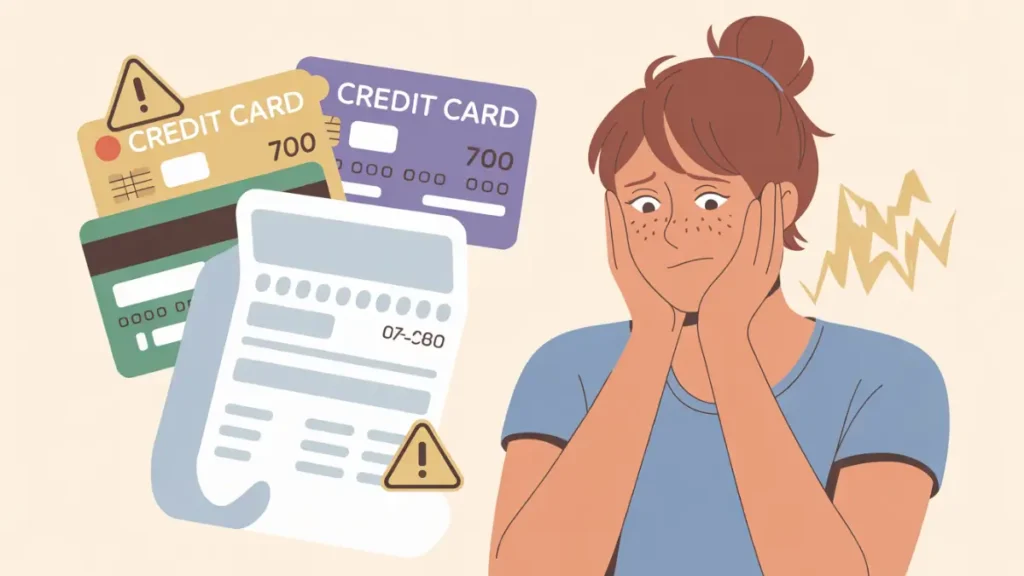
Many first-time applicants make avoidable mistakes that delay their credit journey.
Applying for Too Many Cards
Each application creates a hard inquiry. Too many inquiries in a short time can signal risk to lenders.
Maxing Out Your First Card
Using all of your credit limit hurts your credit utilization ratio, which is a major factor in credit scores.
Missing Payments
One missed payment can damage your credit for years. Always pay on time.
Ignoring Fees and Terms
Some beginner cards come with annual fees or high interest rates. Read all terms carefully before applying.
One common mistake I’ve seen among U.S. beginners is missing a single payment early on, which can slow credit progress for years.
How to Use Your First Credit Card to Build Credit Fast
Getting approved is only the beginning. How you use your card determines your credit success.
Keep Your Credit Utilization Low
Try to use less than 30% of your credit limit. For example, if your limit is $300, keep your balance below $90.
Pay Your Balance in Full Every Month
This avoids interest charges and shows responsible credit behavior.
Set Up Automatic Payments
Automatic payments prevent late fees and protect your payment history.
Use Your Card Regularly but Lightly
Small purchases paid off monthly are ideal for building credit.
U.S. credit card issuers place a strong emphasis on payment history, even for first-time applicants.
How Long Does It Take to Build Credit?
You typically generate your first credit score within 3 to 6 months of consistent card usage.
Within 6–12 months of responsible use, many beginners qualify for:first credit card with no credit
- Higher credit limits
- Better interest rates
- Unsecured credit cards
Credit building is a marathon, not a sprint.
What Credit Score Should You Aim For?
While starting from zero, your early goal should be:
- 650+ within the first year
- 700+ with continued responsible use
These scores open the door to better financial opportunities.first credit card with no credit
Frequently Asked Questions About First Credit Cards with No Credit
Can I get approved with no credit and no income?
How can I get my first credit card with no credit if I am a student or beginner?
Is a secured credit card better than no credit card?
Yes. A secured card helps build real credit when used responsibly.
Does applying for a credit card hurt my credit?
A single application causes a small temporary dip. Responsible use quickly offsets it.
Can immigrants get a first credit card in the USA?
Yes. Many issuers accept ITINs and offer starter cards for newcomers.
How many months should I wait before applying for a second card?
After getting your first credit card with no credit, wait at least 6–12 months before applying for another one.
How to Upgrade from Your First Credit Card
After establishing good credit habits, you may:
- Request a credit limit increase
- Upgrade to an unsecured card
- Apply for better rewards cards
Always keep your oldest account open to preserve credit history length.
Final Tips for Getting Approved on Your First Try
- Apply for beginner-focused cards only
- Be honest about your income
- Avoid multiple applications
- Start small and stay consistent
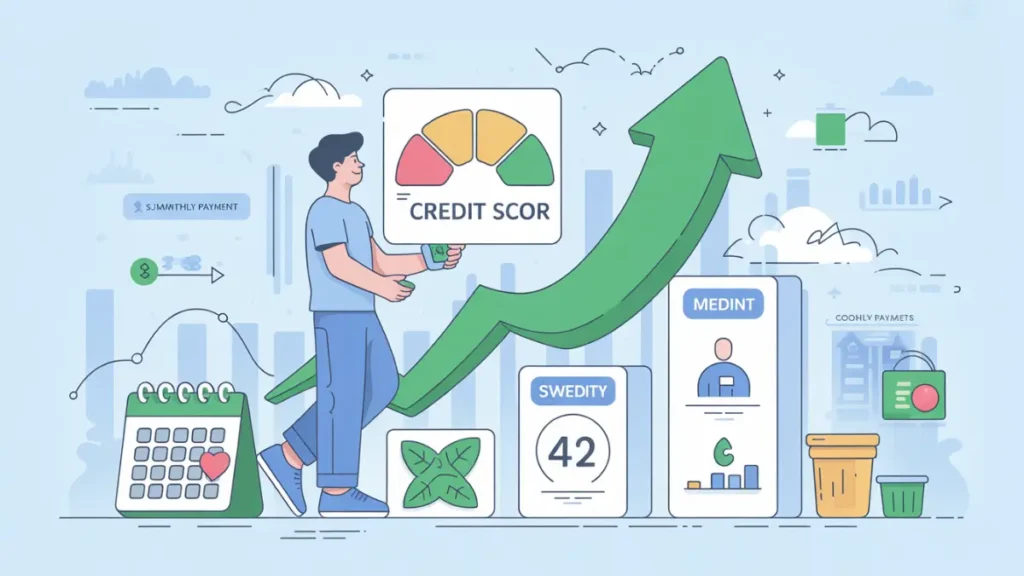
- Focus on long-term credit health
Building credit is one of the most important financial skills you will ever learn. Your first credit card is not about rewards or spending—it is about trust and discipline.
Conclusion
Getting your first credit card with no credit is completely possible when you follow the right steps. By choosing the correct card type, applying strategically, and using your card responsibly, you can build a strong credit foundation that benefits you for years to come.
Every strong credit profile starts with a single decision. Make yours count by starting smart, staying patient, and using credit as a tool—not a trap.
By following these steps, you can successfully get your first credit card with no credit and start building a strong financial foundation in the USA.