
Personal finance is one of the most essential life skills, yet many people ignore it until financial problems arise. Understanding what personal finance is and why it is important can completely change the way you earn, spend, save, and grow money. In today’s fast-changing economy, personal finance knowledge is no longer optional—it is a necessity.
This guide is designed for beginners, students, working professionals, and families in the United States who want to improve their personal finance skills. It is especially helpful for people who feel confused about budgeting, saving, debt, investing, or planning for the future and want a simple, practical explanation without complex financial jargon.
Why personal finance is important becomes clear when you realise how deeply money decisions affect your daily life, future goals, and financial freedom.
What Is Personal Finance?
Personal finance refers to how an individual or household manages their money. It includes all financial decisions related to income, spending, saving, investing, debt management, insurance, and future financial planning.
In simple words, personal finance is:Based on real-world budgeting practices used by millions of Americans…
The process of planning and managing your money to meet short-term needs and long-term financial goals.
Personal finance helps you:
- Control your expenses
- Save money regularly
- Avoid unnecessary debt
- Prepare for emergencies
- Build wealth over time
Whether you earn a small salary or a high income, personal finance applies to everyone equally.
What Is Personal Finance Important?
Many people ask, “What is personal finance important in real life?”
The answer is simple: because money affects every aspect of your life.
Personal finance is important because it:
- Prevents financial stress
- Helps you live within your income
- Allows you to achieve life goals
- Protects you from financial emergencies
- Builds long-term financial security
Without proper personal finance management, people often fall into debt, live paycheck to paycheck, and struggle financially even with a good income.
Importance of Personal Finance in Daily Life
Personal finance plays a vital role in everyday decisions, from buying groceries to planning retirement.
1. Better Money Control
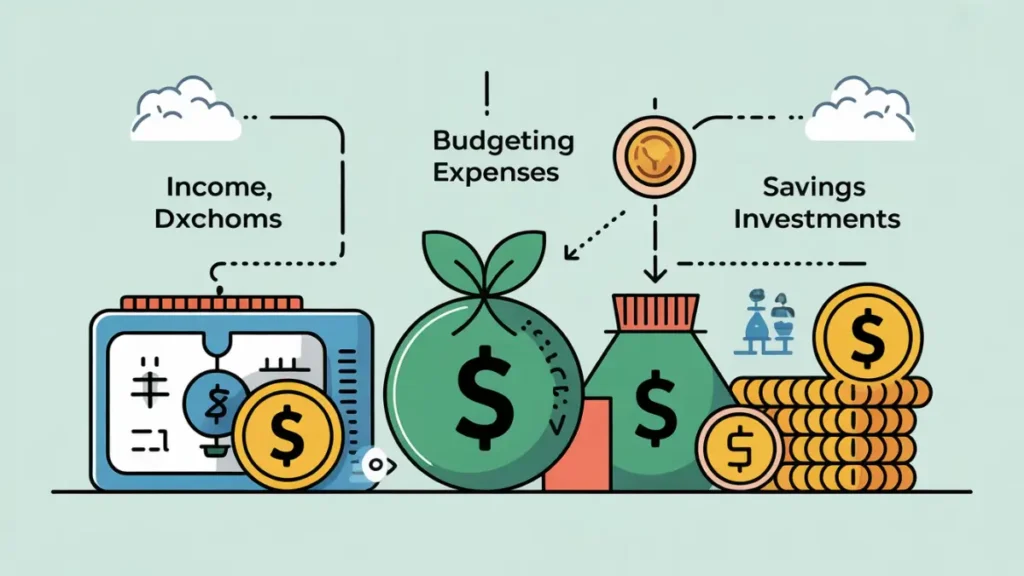
Personal finance helps you understand where your money goes every month. With budgeting, you can track income and expenses and avoid overspending.
2. Emergency Preparedness
Life is unpredictable. Medical emergencies, job loss, or unexpected repairs can happen anytime. Personal finance encourages building an emergency fund, which protects you during tough times.
3. Reduced Financial Stress
When finances are organized, stress automatically reduces. You don’t worry about bills, debts, or sudden expenses because you already have a plan.
4. Smart Spending Habits
Personal finance teaches you the difference between needs and wants, helping you spend wisely instead of emotionally.
Key Areas of Personal Finance
| Personal Finance Area | Why It Is Important |
| Budgeting | Controls monthly spending |
| Saving | Builds financial security |
| Investing | Grows wealth over time |
| Debt Management | Avoids financial burden |
| Insurance | Protects against losses |
| Retirement Planning | Ensures future stability |
Benefits of Personal Finance
Understanding why personal finance is important becomes clearer when you look at its benefits.
1. Financial Independence
Personal finance helps you rely on yourself rather than loans, credit cards, or others.
2. Wealth Creation
Through smart investing, saving, and planning, personal finance helps grow wealth steadily.
3. Improved Decision-Making
You make better choices about buying homes, cars, insurance, and investments.
4. Long-Term Security
Personal finance prepares you for retirement, ensuring a comfortable life even after you stop working.
5. Better Quality of Life
Money problems affect mental health and relationships. Managing finances properly improves overall life satisfaction.
Why Personal Finance Is Important in the USA
In the United States, personal finance is especially important due to:Many beginners feel overwhelmed when they first start managing money this is completely normal.

- High cost of living
- Student loan debt
- Medical expenses
- Credit-based economy
Many Americans struggle financially not because of low income, but due to poor money management.
Common Financial Challenges in the USA:
- Living paycheck to paycheck
- Credit card debt
- Lack of emergency savings
- No retirement planning
Personal finance education helps Americans:
- Improve credit scores
- Reduce debt
- Save for retirement
- Plan taxes effectively
Personal Finance Examples (Real-Life Scenarios)
Example 1: Budgeting
A person earning $4,000 per month creates a budget:
- Rent: $1,200
- Food: $500
- Savings: $600
- Utilities & bills: $400
- Investments: $500
- Miscellaneous: $800
This structured approach prevents overspending.
Example 2: Emergency Fund
Saving 3–6 months of expenses helps handle sudden medical bills or job loss without debt.
Example 3: Investing Early
Investing $300 monthly in index funds from age 25 can grow into hundreds of thousands by retirement due to compound interest.
Personal Finance for Beginners
If you are new and wondering how to start personal finance, follow these beginner-friendly steps:
1. Track Your Income & Expenses
Know exactly how much you earn and spend.
2. Create a Simple Budget
Use the 50/30/20 rule:
- 50% needs
- 30% wants
- 20% savings & investments
3. Build an Emergency Fund
Start with $1,000, then aim for 3–6 months of expenses.
4. Pay Off High-Interest Debt
Focus on credit cards and personal loans first.
5. Start Investing Early
Even small investments grow significantly over time.
Common Personal Finance Mistakes to Avoid
Many people fail financially due to simple mistakes:

- No budgeting
- Living beyond income
- Ignoring savings
- Excessive credit card use
- No insurance coverage
- Delaying investments
Avoiding these mistakes improves financial stability dramatically.
How Personal Finance Helps Achieve Life Goals
Personal finance helps you plan and achieve:
- Buying a home
- Education funding
- Starting a business
- Traveling
- Retirement planning
Without financial planning, these goals remain dreams instead of reality.
How to Improve Personal Finance Skills
You can improve your personal finance knowledge by:
- Reading finance blogs
- Using budgeting apps
- Taking online finance courses
- Tracking expenses regularly
- Consulting financial advisors
Consistency is more important than income level.
Personal Finance and Financial Freedom
Financial freedom means having enough savings and investments to live without financial stress. Personal finance is the foundation of financial freedom.

By managing money properly, you gain:
- Freedom of choice
- Career flexibility
- Peace of mind
- Control over your future
FAQs About Personal Finance
What is personal finance in simple words?
Personal finance is how you earn, spend, save, and plan your money to live a stable and secure life.
Why is personal finance important for students?
It helps students avoid debt, manage expenses, and build good financial habits early.
How does personal finance affect daily life?
It influences spending decisions, savings, stress levels, and long-term stability.
What are the main benefits of personal finance?
Better money control, financial security, reduced stress, and wealth creation.
Is personal finance important in 2026?
Yes. Rising inflation, economic uncertainty, and digital finance make personal finance more important than ever.
Conclusion: Why Personal Finance Is Important
Understanding what personal finance is and why it is important is a life-changing skill. Personal finance gives you control over your money instead of letting money control you. It reduces stress, improves decision-making, and helps you achieve both short-term needs and long-term dreams.
In 2026 and beyond, personal finance is not just about saving money—it’s about building a secure, independent, and stress-free future.
Disclaimer
This article is for educational and informational purposes only. It does not constitute financial, investment, tax, or legal advice. Readers should consult a qualified financial advisor before making any financial decisions.
Written by Behzad Aslam, a personal finance blogger and researcher who creates easy-to-understand money guides for beginners and USA audiences. His work focuses on budgeting, saving, investing, and practical financial education for long-term financial stability.
1 thought on “What Is Personal Finance Important? Meaning, Benefits & Real-Life Examples (2026 Guide)”