
Personal finance planning 2026 is no longer just about saving money and paying bills. It has evolved into a structured, technology-driven approach to managing income, expenses, investments, debt, and long-term goals in an unpredictable economic environment.
Rising inflation, digital banking, AI-powered tools, and changing job markets have made financial planning more important than ever.
This guide explains personal finance planning for 2026 in simple, practical terms. Whether you are a beginner or someone looking to refine your strategy, this article will help you build a clear financial roadmap for the future.
What Is Personal Finance Planning 2026?
Personal finance planning in 2026 is the process of organizing and managing your money using modern tools, updated strategies, and future-focused goals. It includes budgeting, saving, investing, debt management, insurance planning, and retirement preparation—adapted to today’s digital economy.
Unlike traditional financial planning, modern personal finance planning emphasizes:
- Automation and AI tools
- Data-driven budgeting
- Long-term resilience against inflation
- Flexible income and investment strategies
The goal is simple: financial stability today and financial freedom tomorrow.
“Many people I’ve observed delay saving because they believe small amounts don’t matter—this mindset often leads to missed long-term growth.”
Why Personal Finance Planning 2026 Matters More Than Ever
In 2026, financial uncertainty is a reality for many households. Interest rates change frequently, living costs continue to rise, and income sources are more diverse than before. Without a plan, it becomes easy to lose control of your finances.
Personal finance planning helps you:
- Stay prepared for emergencies
- Avoid unnecessary debt
- Make smarter investment decisions
- Achieve short- and long-term financial goals
- Reduce financial stress
A clear plan turns money from a source of anxiety into a tool for security and growth.
“Based on practical budgeting experience and analysis of how U.S. households adapt to inflation and digital banking trends, these strategies focus on realistic, long-term financial stability.”
Step-by-Step Personal Finance Planning 2026
Step 1: Setting Financial Goals in Personal Finance Planning 2026
Every strong financial plan starts with goals. In 2026, goals should be specific, measurable, and realistic.

Examples include:
- Saving six months of emergency funds
- Paying off high-interest credit card debt
- Buying a home within five years
- Building retirement savings consistently
Break goals into:
- Short-term (0–1 year)
- Medium-term (1–5 years)
- Long-term (5+ years)
Clear goals give your financial decisions purpose and direction.
Step 2: Budgeting Strategies for Personal Finance Planning 2026
Budgeting in 2026 is no longer about tracking every dollar manually. Digital tools and apps now make budgeting faster and more accurate.
A smart budget should:
- Track income automatically
- Categorize expenses
- Highlight overspending patterns
- Adjust for inflation and lifestyle changes
A popular structure is the 50/30/20 rule, but many people customize it based on their income and priorities. The key is consistency, not perfection.
A flexible budget allows you to adapt without abandoning your plan.
Step 3: Emergency Funds in Personal Finance Planning 2026
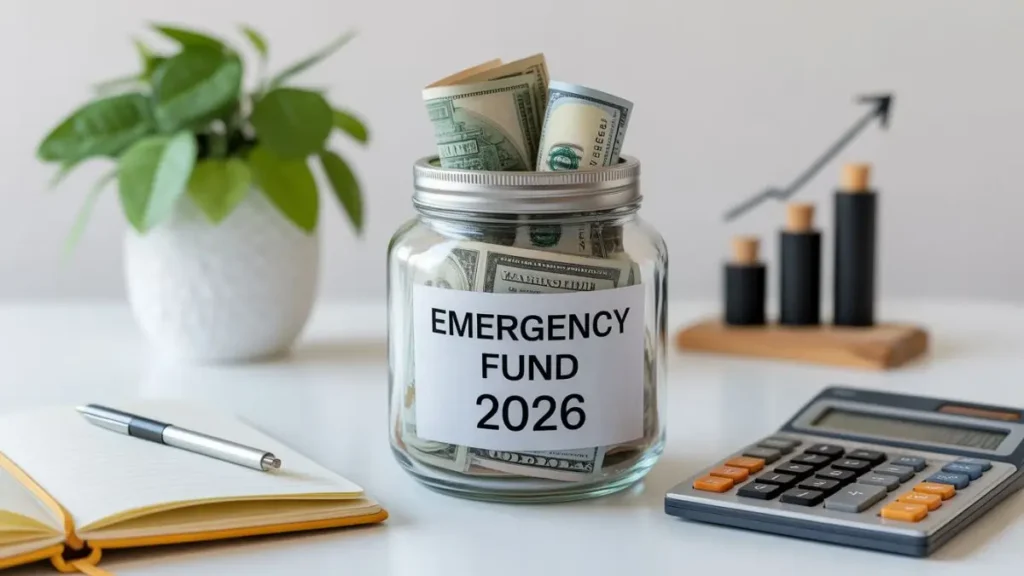
An emergency fund is a non-negotiable part of personal finance planning. In 2026, unexpected expenses such as medical bills, job changes, or economic shifts can happen quickly.
Financial experts recommend:
- At least 3 to 6 months of living expenses
- Kept in a high-yield savings account
- Separate from daily spending money
An emergency fund protects you from going into debt when life surprises you.
Step 4: Debt Management Tips for Personal Finance Planning 2026
Debt management remains one of the most important aspects of financial planning. Not all debt is bad, but high-interest debt can slow down your progress.
Focus on:
- Paying off credit cards first
- Refinancing high-interest loans when possible
- Avoiding lifestyle inflation
- Using debt only when it supports long-term goals
In 2026, many people use automated payment systems to avoid late fees and improve credit scores. Smart debt management improves both financial health and peace of mind.
Step 5: Saving and Investing in Personal Finance Planning 2026
Saving money in 2026 is about automation and intention. Instead of saving what’s left, successful planners save first.
Effective saving strategies include:
- Automatic transfers to savings accounts
- Separate accounts for different goals
- High-interest digital savings platforms
- Micro-saving tools that round up purchases
Saving consistently, even in small amounts, creates long-term financial stability.
Step 6: Investing for Long-Term Growth
Investing is no longer limited to financial experts. In 2026, user-friendly platforms make investing accessible to almost everyone.
A balanced investment approach focuses on:
- Long-term growth, not short-term speculation
- Diversification across assets
- Risk tolerance based on age and goals
- Regular contributions instead of timing the market
Investing should be aligned with your overall personal finance plan, not treated as a separate activity.
Common Personal Finance Planning 2026 Mistakes to Avoid
Many people struggle financially not because they earn too little, but because they make avoidable mistakes.
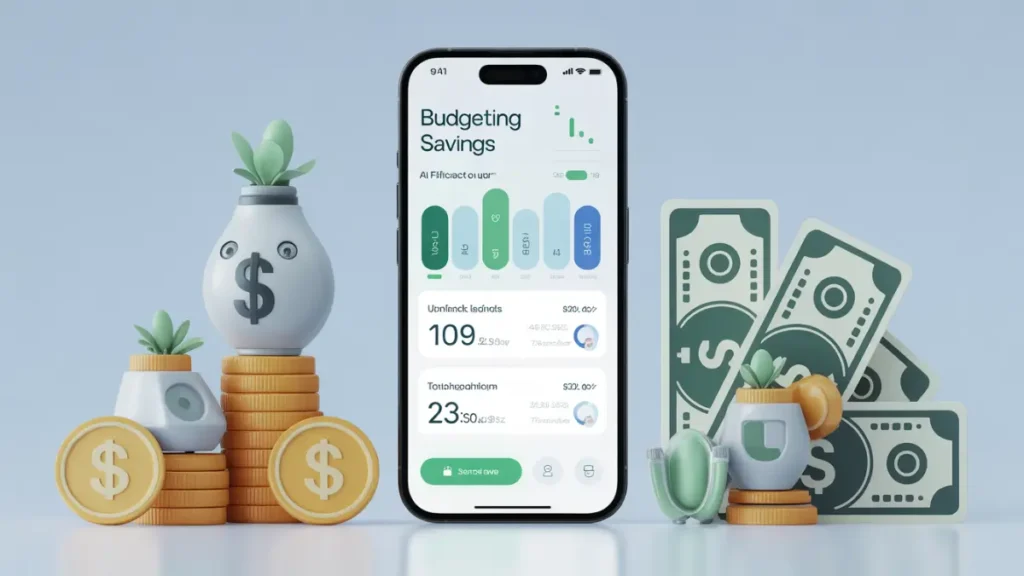
Common errors include:
- Not having a written financial plan
- Ignoring inflation
- Overspending on lifestyle upgrades
- Avoiding financial education
- Delaying savings and investing
Avoiding these mistakes can dramatically improve your financial future.
Personal Finance Planning 2026 Tools and Apps
Technology plays a major role in modern financial planning. In 2026, digital tools help simplify complex decisions.
Useful tools include:
- Budgeting apps with AI insights
- Expense tracking software
- Investment management platforms
- Credit monitoring services
Using the right tools saves time, reduces errors, and keeps you motivated.
Personal Finance Planning 2026 for Beginners
If you are new to financial planning, start simple. You do not need advanced strategies to succeed.
Beginner steps include:
- Tracking income and expenses
- Creating a basic budget
- Building a small emergency fund
- Learning basic financial concepts
- Avoiding unnecessary debt
Consistency matters more than complexity. Over time, your plan will naturally become more advanced.
How Personal Finance Planning 2026 Builds Long-Term Financial Freedom
Personal finance planning is not about restriction—it is about freedom. A strong plan gives you control over your money instead of letting money control you.
With proper planning, you can:
- Handle emergencies confidently
- Make informed financial decisions
- Reduce stress and uncertainty
- Build wealth gradually
- Prepare for retirement with clarity
In 2026, financial freedom is built through planning, discipline, and smart use of technology.
Frequently Asked Questions (FAQs)
What is personal finance planning in 2026?
Personal finance planning in 2026 is a structured approach to managing money using modern tools, updated strategies, and long-term financial goals.
How often should I update my financial plan?
Review your financial plan at least once every six months or whenever your income, expenses, or goals change.
Is personal finance planning important for low income earners?
Yes. Financial planning is especially important for low income earners because it helps maximize limited resources.
Can beginners do personal finance planning on their own?
Yes. Beginners can start with simple budgeting and saving strategies and gradually improve their financial knowledge.
What is the biggest benefit of financial planning?
The biggest benefit is financial stability and reduced stress, followed by long-term wealth building.
Final Thoughts: Building Your Personal Finance Plan for 2026
Personal finance planning in 2026 is a necessity, not a luxury. With rising costs, evolving financial tools, and changing lifestyles, having a clear plan helps you stay ahead instead of reacting to problems.
By setting goals, budgeting wisely, saving consistently, managing debt, and investing thoughtfully, you create a strong financial foundation. The earlier you start, the more powerful your results will be.
A well-planned financial future begins with a single decision—to take control of your money today.
Disclaimer: This article is for educational purposes only and does not constitute financial or investment advice.
Behzad Aslam writes about personal finance, budgeting, and AI-powered money tools for beginners. His content focuses on practical financial planning strategies for U.S. readers in a digital economy.
2 thoughts on “Personal Finance Planning 2026: A Complete Step-by-Step Guide for a Secure Future”