
Personal finance for beginners 2026 is about learning simple money habits that help you budget, save, invest, and avoid financial stress in a rapidly changing economy.Managing money can feel overwhelming when you’re just starting out. With rising living costs, digital banking, AI-powered tools, and changing investment trends, personal finance in 2026 looks very different from just a few years ago. The good news is that learning personal finance as a beginner doesn’t require advanced math, a finance degree, or a high income.
This guide to personal finance for beginners 2026 is designed to help you understand money basics in a simple, practical, and realistic way. Whether you are a student, a new worker, or someone who wants better control over finances, this article will give you a clear roadmap to start your financial journey with confidence.
What Is Personal Finance? (Beginner-Friendly Explanation)
Personal finance is the way you earn, spend, save, invest, and protect your money. It includes everyday decisions like paying bills, saving for emergencies, planning for retirement, and avoiding unnecessary debt.
For beginners, personal finance is not about becoming rich overnight. It is about building good money habits that help you stay financially stable, reduce stress, and prepare for the future.
This section explains personal finance for beginners 2026 in a clear, practical way so new learners can understand money basics without confusion.
In 2026, personal finance also includes:
- Digital wallets and online banking
- AI budgeting apps
- Automated investing platforms
- Cybersecurity awareness for financial accounts
Why Personal Finance Matters More in 2026
Personal finance is more important than ever because the financial world is changing fast. Inflation, interest rates, remote work, and AI-driven financial tools are reshaping how people manage money.
Here’s why beginners must focus on personal finance in 2026:
- Living costs continue to rise
- Credit scores affect loans, housing, and insurance
- Many jobs don’t provide long-term security
- Retirement planning starts earlier than before
- Financial mistakes are more expensive to fix later
Learning personal finance early gives you control instead of uncertainty.
Personal Finance Basics Every Beginner Must Know in 2026
Before building a plan, beginners must understand the five core pillars of personal finance.
Income
Income is the money you earn from your job, business, freelancing, or side hustles. In 2026, many beginners rely on multiple income streams instead of just one paycheck.
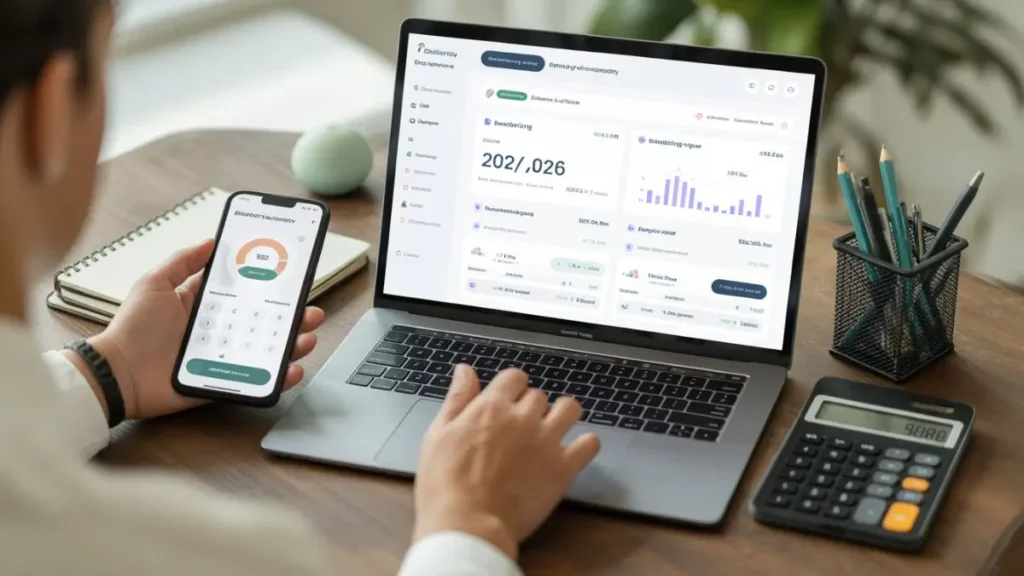
Expenses
Expenses are what you spend money on, including rent, food, transportation, subscriptions, and entertainment. Knowing where your money goes is the foundation of money management.
Savings
Savings help you prepare for emergencies and future goals. Beginners should focus on building a basic emergency fund before anything else.
Debt
Debt includes credit cards, student loans, and personal loans. Some debt is manageable, but high-interest debt can damage your finances quickly.
Investing
Investing helps your money grow over time. Beginners in 2026 can start investing with small amounts using beginner-friendly apps and platforms.
Step-by-Step Personal Finance Plan for Beginners (2026)
This step-by-step approach makes personal finance for beginners 2026 easier to follow by focusing on simple actions instead of complex financial theory.
Step 1: Track Your Money
Start by tracking your income and expenses for at least 30 days. You can use a notebook, spreadsheet, or budgeting app. The goal is awareness, not perfection.
Tracking helps you:
- Identify spending leaks
- Understand habits
- Make informed decisions
Step 2: Create a Beginner Budget
Budgeting is simply planning how your money will be used. One popular beginner method is the 50/30/20 rule:
- 50% for needs
- 30% for wants
- 20% for savings and debt
personal finance for beginners 2026, many AI-powered budgeting tools can automatically categorize spending and suggest improvements.
Step 3: Build an Emergency Fund
An emergency fund protects you from unexpected expenses like medical bills or job loss. Beginners should aim for:
- $1,000 initially
- Then 3–6 months of essential expenses
Keep this money in a high-yield savings account for easy access.
Step 4: Pay Off High-Interest Debt
Credit card debt is one of the biggest obstacles for beginners. Focus on paying off high-interest debt as soon as possible using methods like:personal finance for beginners 2026
- Debt snowball
- Debt avalanche
Reducing debt frees up money for saving and investing.
Step 5: Start Investing Small
You don’t need a lot of money to start investing in 2026. Many platforms allow beginners to invest with small amounts and automated portfolios.
Focus on:personal finance for beginners 2026
- Long-term investing
- Low fees
- Diversification
Best Budgeting and Finance Tools for Beginners in 2026
Technology has made personal finance easier than ever. Beginners can use tools that simplify budgeting, saving, and investing.
Popular tool categories include:
- AI budgeting apps
- Expense trackers
- Automated savings apps
- Beginner investing platforms
These tools help beginners stay consistent without feeling overwhelmed.personal finance for beginners 2026
Common Personal Finance Mistakes Beginners Make
Avoiding mistakes is just as important as learning strategies.
Some common beginner mistakes include:
- Not tracking spending
- Relying too much on credit cards
- Ignoring emergency savings
- Trying to get rich quickly
- Following financial advice without research
Personal finance success comes from patience and consistency, not shortcuts.
Personal Finance Tips for Beginners (USA Focused)
For beginners in the United States, these tips are especially important:

- Build and protect your credit score
- Understand interest rates and fees
- Use employer benefits wisely
- Save for taxes if you freelance
- Protect financial accounts with strong security
Understanding the financial system helps beginners make smarter decisions.personal finance for beginners 2026
Beginner Personal Finance Checklist (2026)
Use this checklist as a quick reference:

- Track income and expenses
- Create a realistic budget
- Build an emergency fund
- Pay off high-interest debt
- Start investing small
- Review finances monthly
- Update goals yearly
Consistency matters more than perfection.personal finance for beginners 2026
Many beginners struggle with budgeting in their first year of financial independence. Based on reviewing modern budgeting tools and real-world spending patterns, starting simple consistently works better than complex systems.
Frequently Asked Questions About Personal Finance for Beginners 2026
What is the best way to start personal finance in 2026?
Start by tracking your spending, creating a simple budget, and building an emergency fund. These basics create a strong foundation.personal finance for beginners 2026
How much should beginners save each month?
A good starting goal is 20% of income, but even small amounts matter. The key is consistency.
Is investing safe for beginners in 2026?
Yes, when beginners focus on long-term investing, diversification, and low-risk options instead of speculation.
What budgeting method is best for beginners?
The 50/30/20 rule is simple and effective, especially for beginners managing money for the first time.
How long does it take to build good financial habits?
Most people start seeing positive changes within 3–6 months of consistent effort.
Final Thoughts: How to Start Your Financial Journey in 2026
Personal finance for beginners in 2026 is not about being perfect with money. It is about making better choices over time. By understanding the basics, creating a simple plan, and using modern tools, anyone can build a strong financial future.
Start small, stay consistent, and focus on progress. Financial confidence grows with every smart decision you make. The best time to start managing your money is now.
Personal finance content writer covering AI-powered money management, budgeting, and beginner finance strategies for the USA audience.
By following the steps in this guide, personal finance for beginners 2026 becomes easier, more practical, and achievable for anyone willing to stay consistent.
Disclaimer: This content is for informational purposes only and does not constitute financial advice.